Part of the Panorama Route
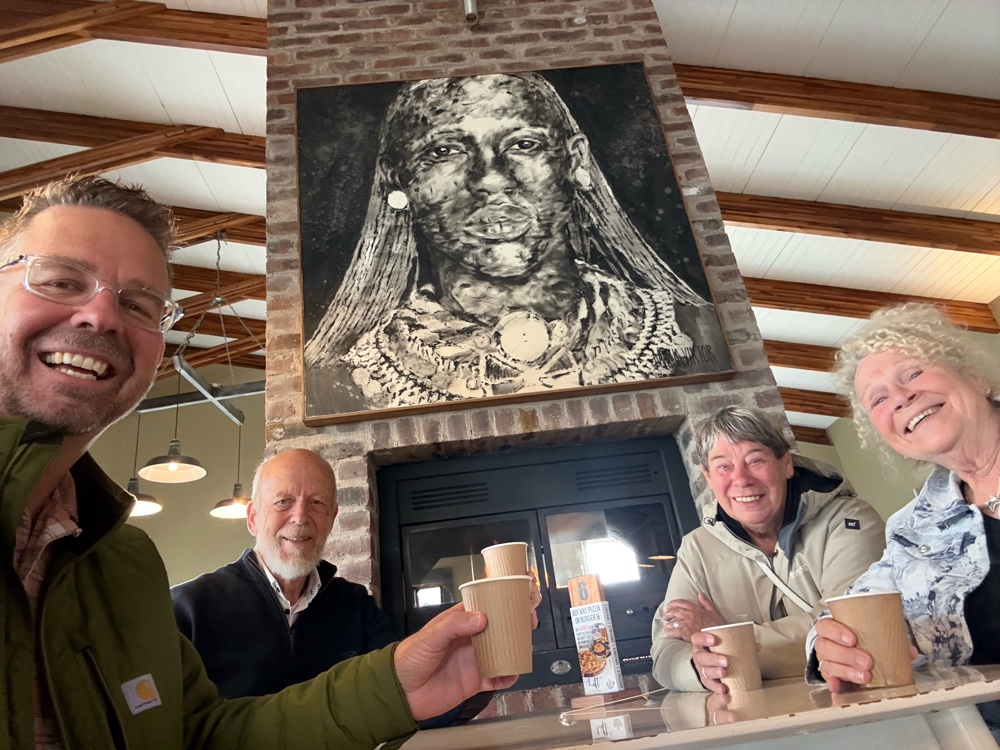 |
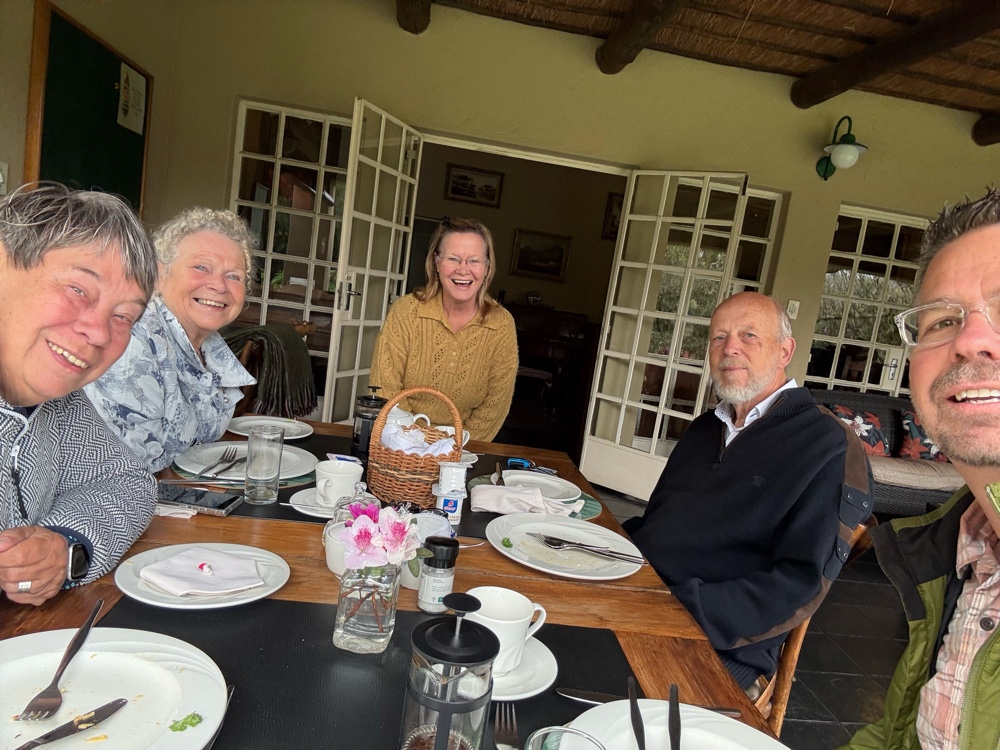
Some mornings on the road begin with a map. Ours began with our bed-and-breakfast hostess, who appeared at breakfast practically vibrating with things she needed us to know. She is a tiny, bright-eyed woman who runs her little place in Hazyview with the energy of someone half her age and twice her caffeine intake, and she had Opinions — capital O — about exactly how we should spend our day on the Panorama Route.
She talked with her hands. She talked over herself. She’d start telling us about a waterfall, get distracted by a story about the pancakes we simply must try, double back to the waterfall, then warn us — twice — about the weather. Quirky barely covers it. But she was such a delight that we’d have happily sat there another hour just to watch her go. By the time she released us to our car, we had a plan, a hand-drawn squiggle that vaguely resembled a route, and the warm feeling you only get from someone who genuinely wants you to love their corner of the world.
So off we went.
 |
What and Where Is the Panorama Route?
For those who haven’t had the pleasure, the Panorama Route is a scenic drive through the mountains of Mpumalanga in northeastern South Africa, running along the edge of the Drakensberg Escarpment — the dramatic lip where the high interior plateau drops away to the Lowveld far below. It strings together waterfalls, gorges, and some of the most jaw-dropping viewpoints on the continent, all within an easy day’s loop. We picked it up from Hazyview and pointed ourselves north and west into the hills.
 |
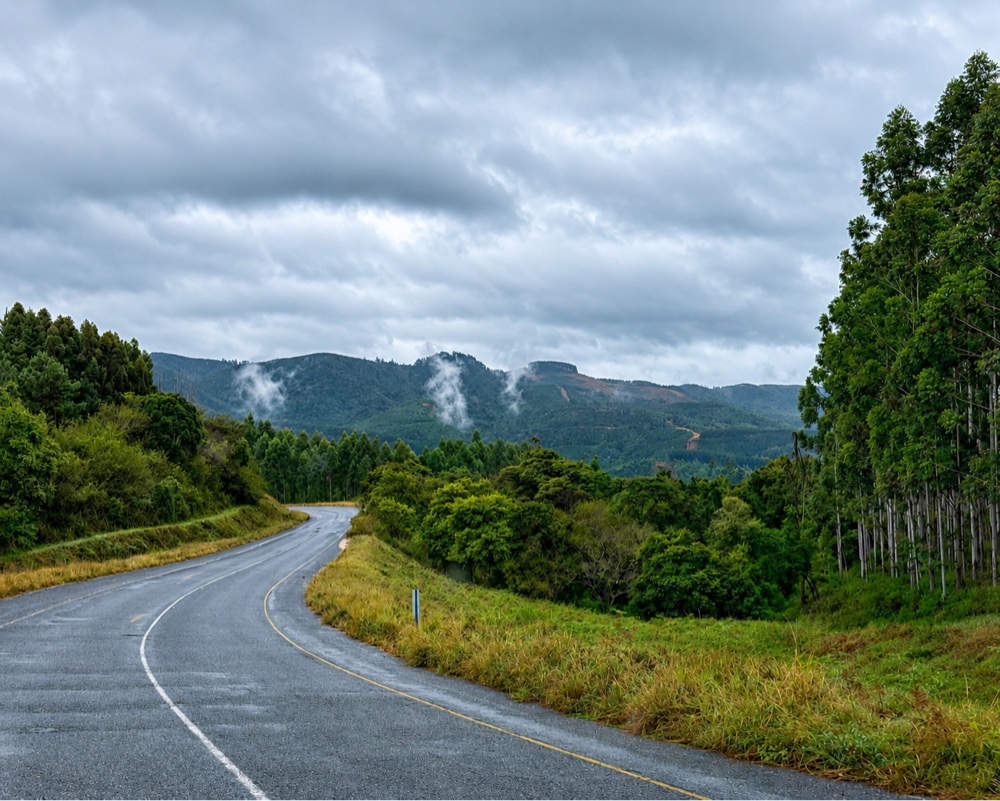 |
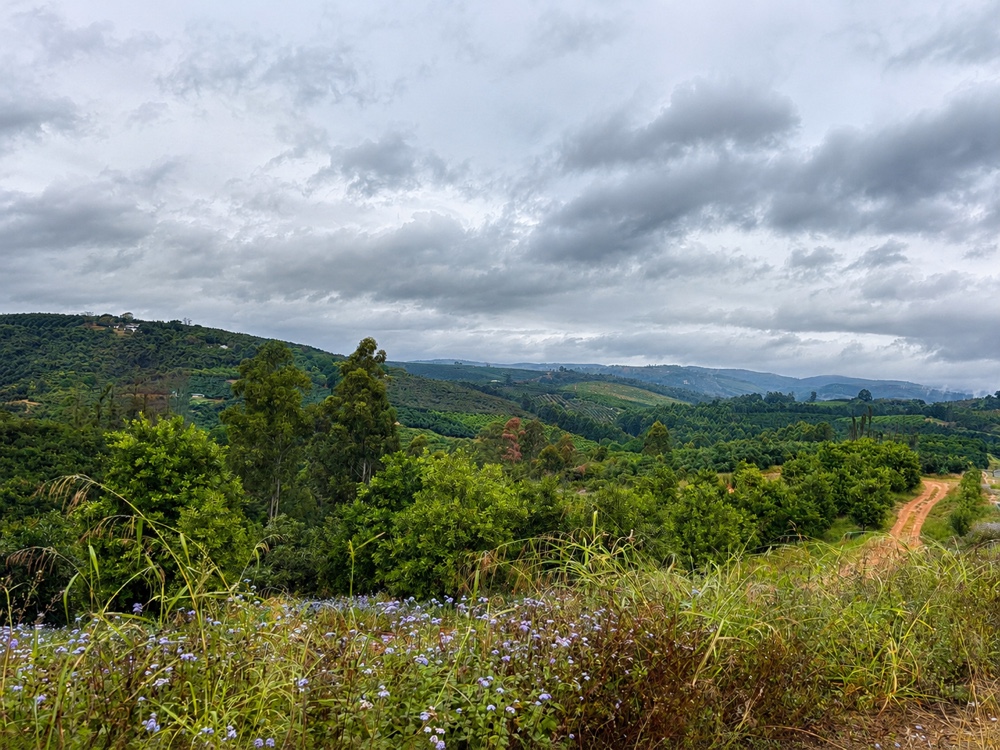
The drive there is half the pleasure. The road climbs through rolling farm country, and we passed orchard after orchard of macadamia trees, their dark green rows marching up the hillsides. This is serious farming land — macadamias, bananas, citrus, and timber plantations blanket the slopes — and there’s something deeply pleasant about watching a working landscape slide by, knowing the nuts in your trail mix probably started life on a hill that looks just like that one.
Sabie and the Waterfalls
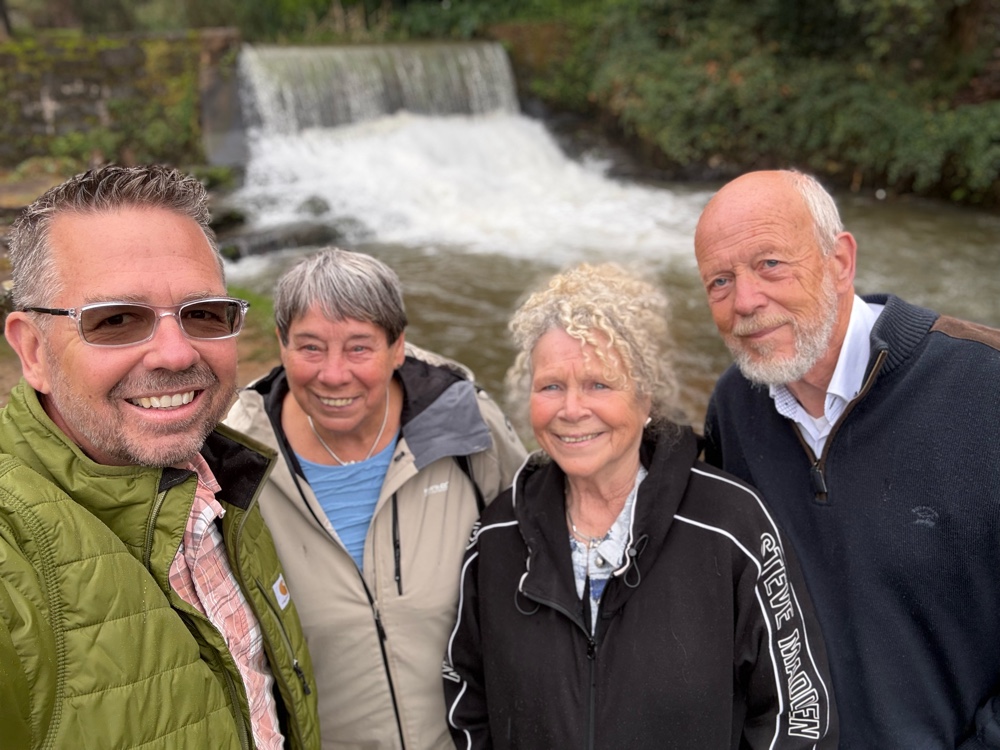
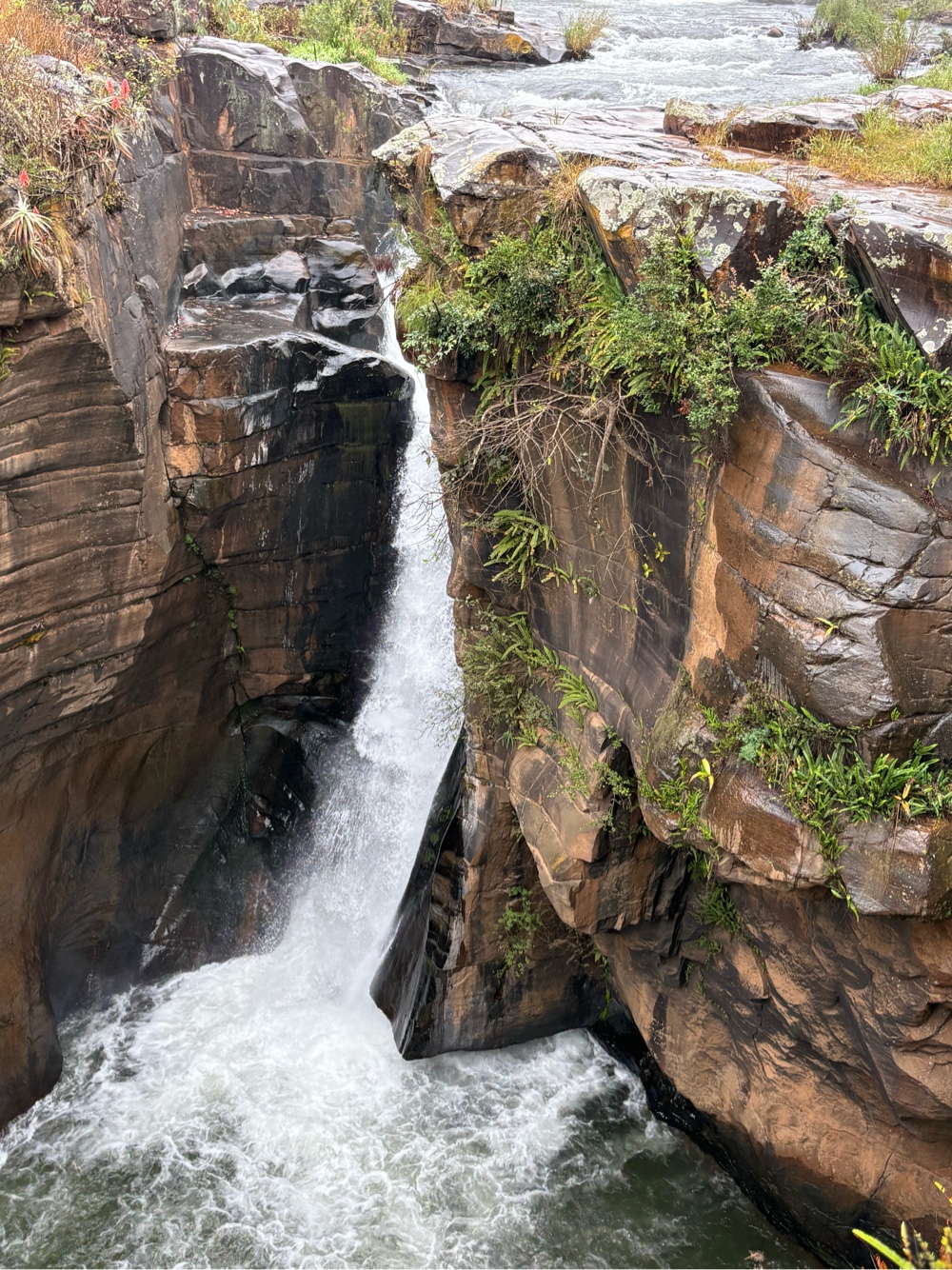
Our first proper stop was Sabie, a tidy little forestry town tucked into the mountains and surrounded by some of the prettiest waterfalls in the region. The whole area is laced with them, fed by the high rainfall up on the escarpment, and we pulled over to take in the cascades tumbling down through the greenery. Even under a gray sky — maybe especially under a gray sky — they were beautiful, the water dark and full and loud.
 |
 |
Graskop Gorge and the Lift
Next we made our way to Graskop. Graskop sits high, around 4,600 feet of elevation, and you feel it. Today was drizzly and cool, the temperature hovering somewhere around 50 degrees, with that fine mountain mist that beads up on your jacket before you realize you’re wet. Bracing, in the good way.
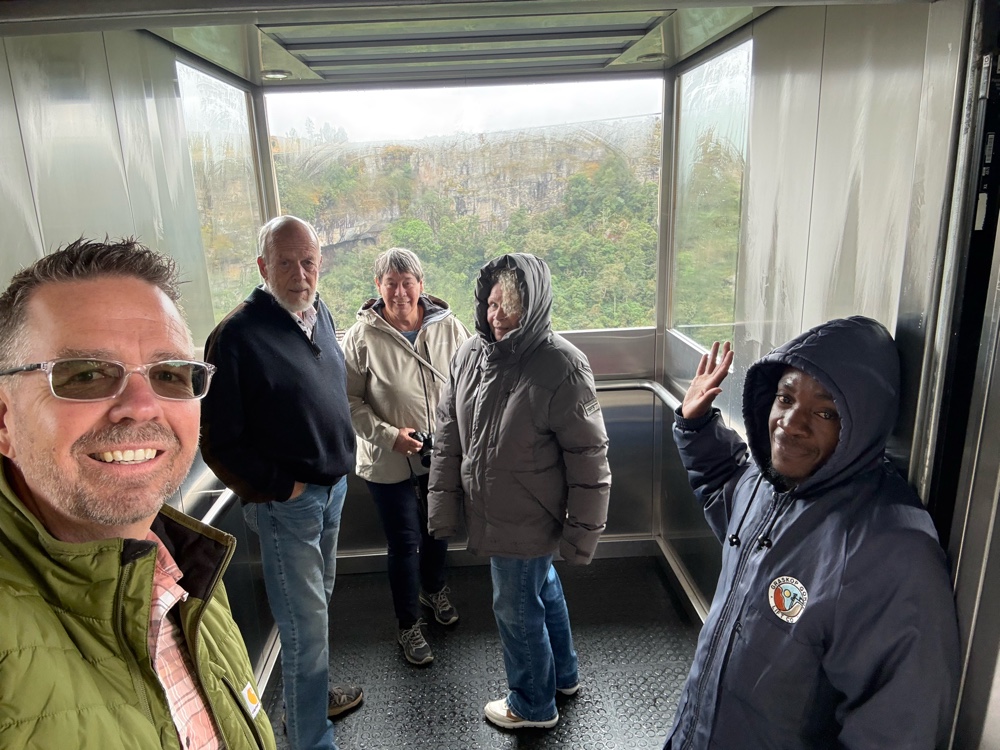
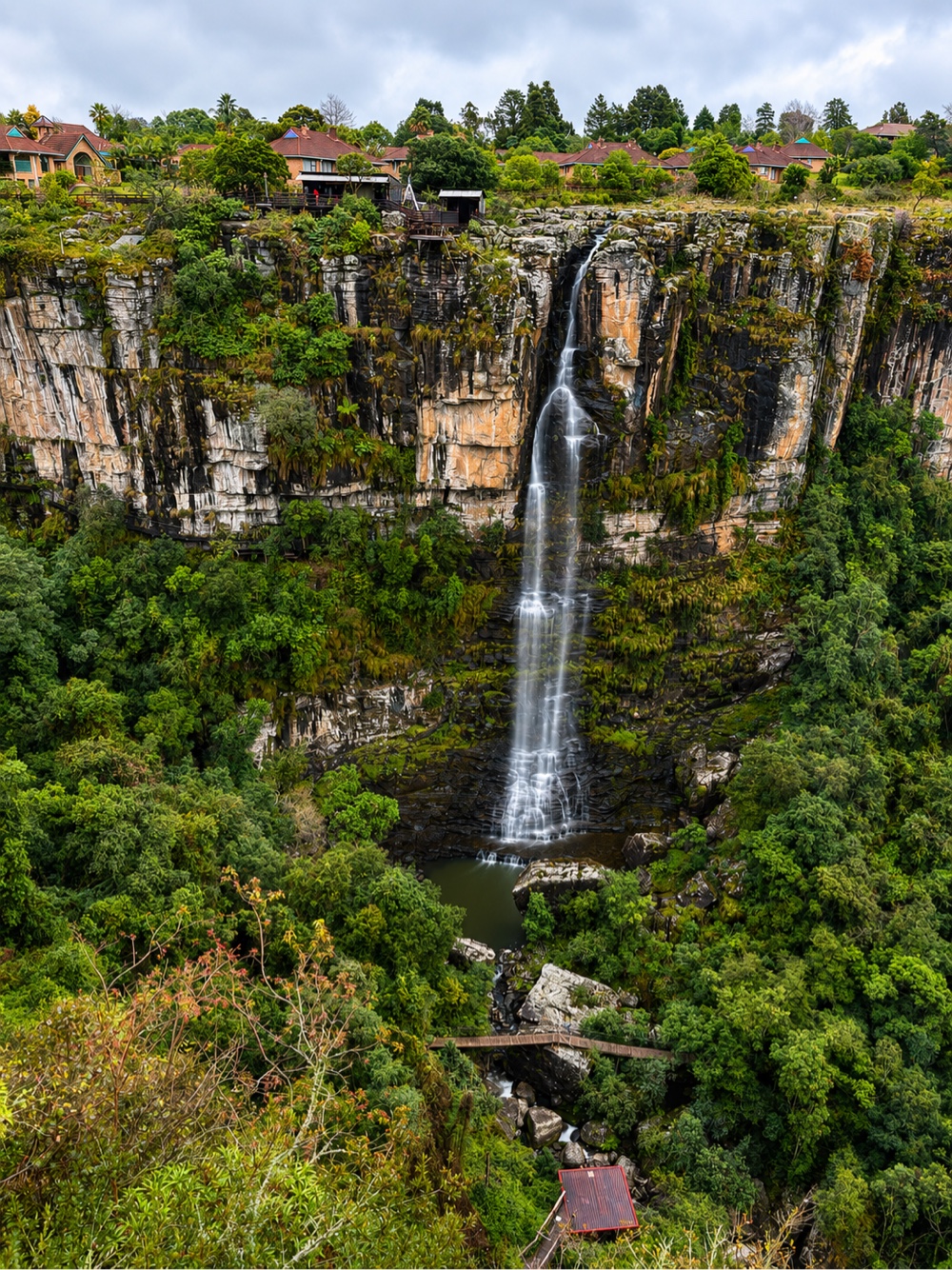
The highlight here is the Graskop Gorge Lift — a glass elevator that drops you 51 meters (about 167 feet) straight down the cliff face into the Afromontane forest at the bottom of the gorge. The ride is smooth and unhurried, maybe a minute long, with the rock wall and the greenery sliding past the glass the whole way down. At the bottom, a network of elevated walkways and little suspension bridges winds you through the indigenous forest, cool and dripping and alive with birdsong. A wonderful way to get inside a landscape instead of just looking at it from the rim.
 |
 |
Shopping in Graskop and a Visit to African Silks
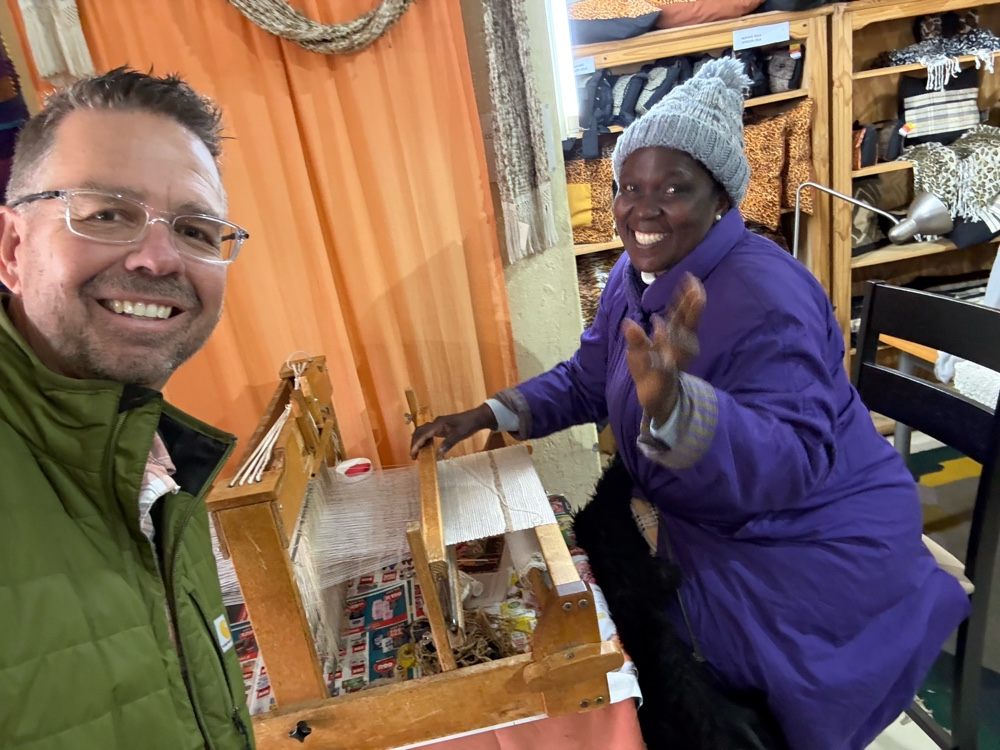
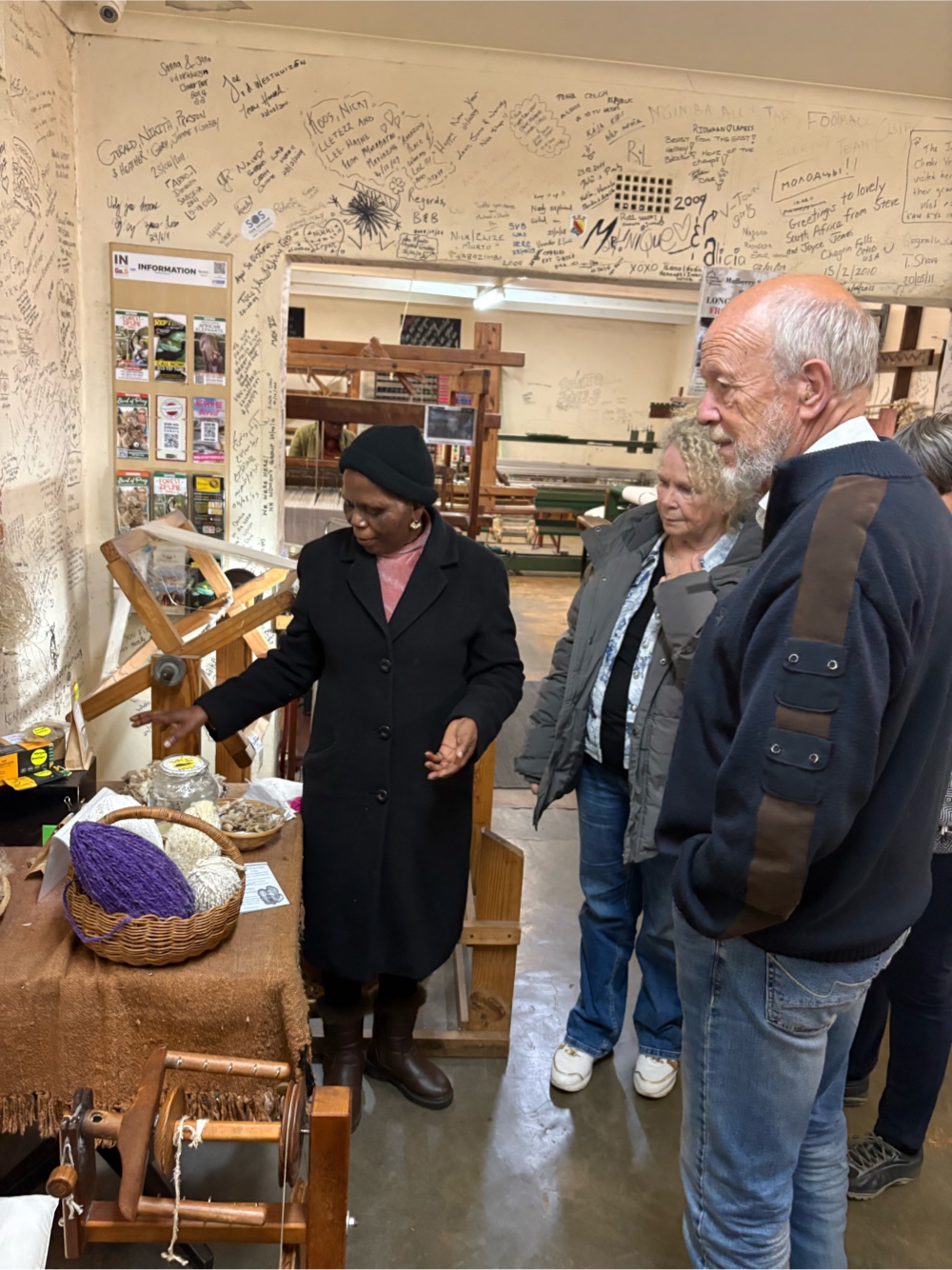
Back up top, we wandered into Graskop proper to do a little shopping, and the standout was a place called African Silks. It’s a shop run by Sotho women who raise their own silkworms on their own silk farm and spin the silk themselves — the whole journey, from worm to woven scarf, happening right there in these mountains. The pieces were gorgeous, and there’s an extra pleasure in buying something when you know exactly whose hands made it and where it came from.
 |
 |
Lunch at the Famous Harrie’s Pancakes
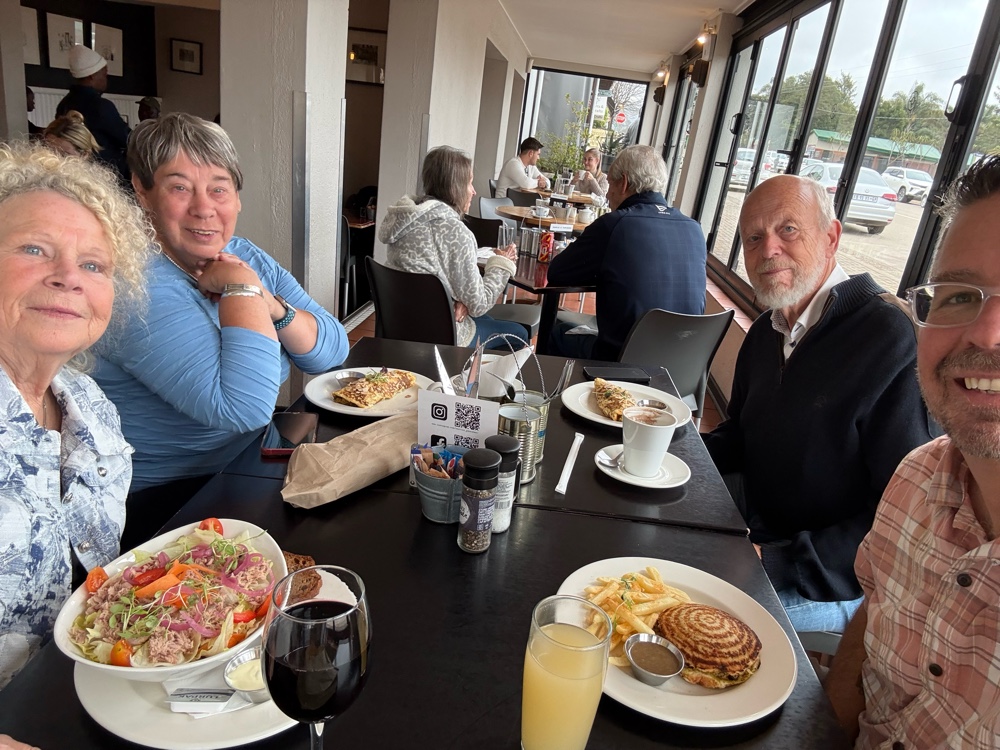
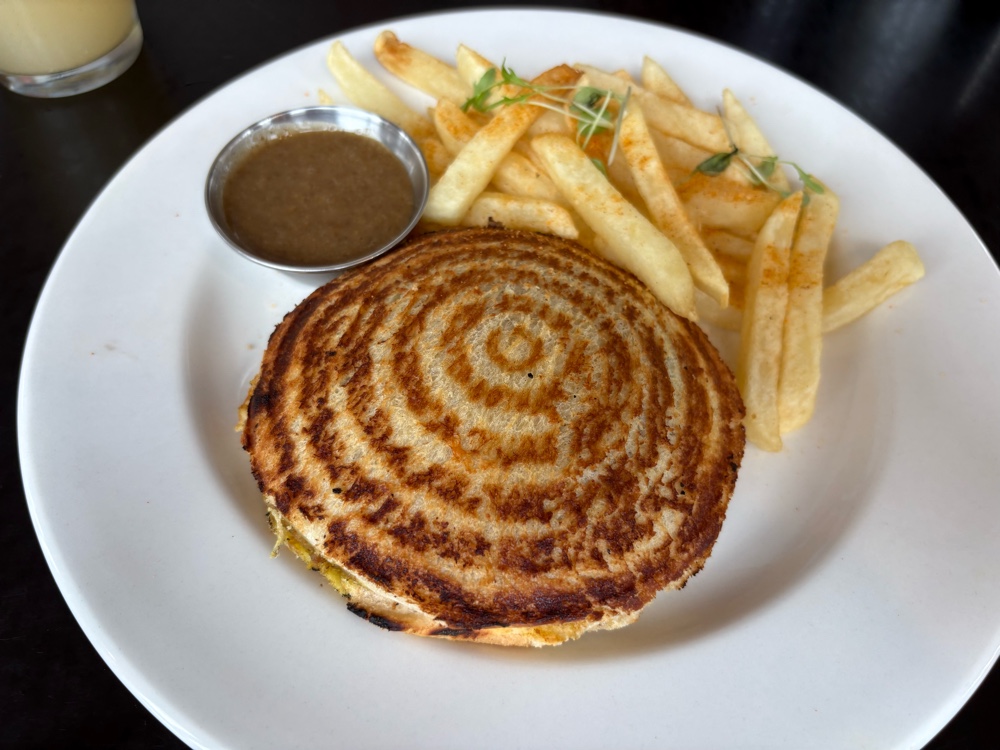
By now we’d earned lunch, and there was really only one option our hostess would have forgiven us for: Harrie’s Pancakes, a Graskop institution. I ordered a jaffle — a toasted, sealed sandwich — filled with bobotie. If you’ve never had bobotie, it’s a classic South African dish of spiced, slightly sweet curried minced meat. The closest thing I can offer my American friends is a sloppy joe, if a sloppy joe took a trip abroad and came back with sophisticated taste in spices. It was warm and savory and exactly what a damp, chilly day was asking for.
 |
 |
Into the Mist, and On to Pilgrim’s Rest
While we ate, the weather decided to make its presence known. The drizzle thickened into a heavy, rolling mist, the kind that swallows the view and turns the road ahead into a soft gray suggestion. Rather than fight it, we leaned in and made one more stop — Pilgrim’s Rest, the beautifully preserved old gold-mining town just up the road. We only had time for a short visit, the historic tin-roofed buildings glistening in the wet, but even a quick wander through that frozen-in-time main street was worth the detour.
And then, with the mist closing in for good, we turned back toward Hazyview, where a proper cocktail hour was waiting — the best possible reward for a cold, wet, wonderful day. We capped it all off with dinner in town, raising a glass to our quirky, delightful hostess, who had been right about absolutely everything.

Comments
Post a Comment