Today we rose early for breakfast at 7:00 a.m. By about 8:30, we had departed Madi a Thavha Lodge to begin the drive to our next stop.
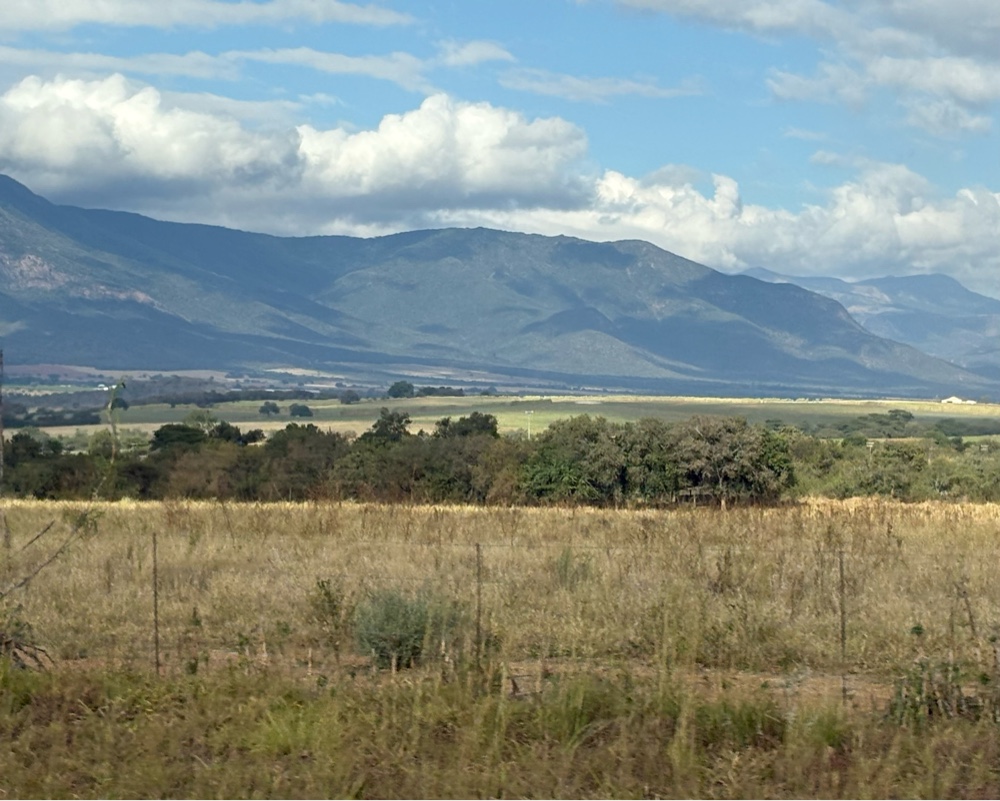
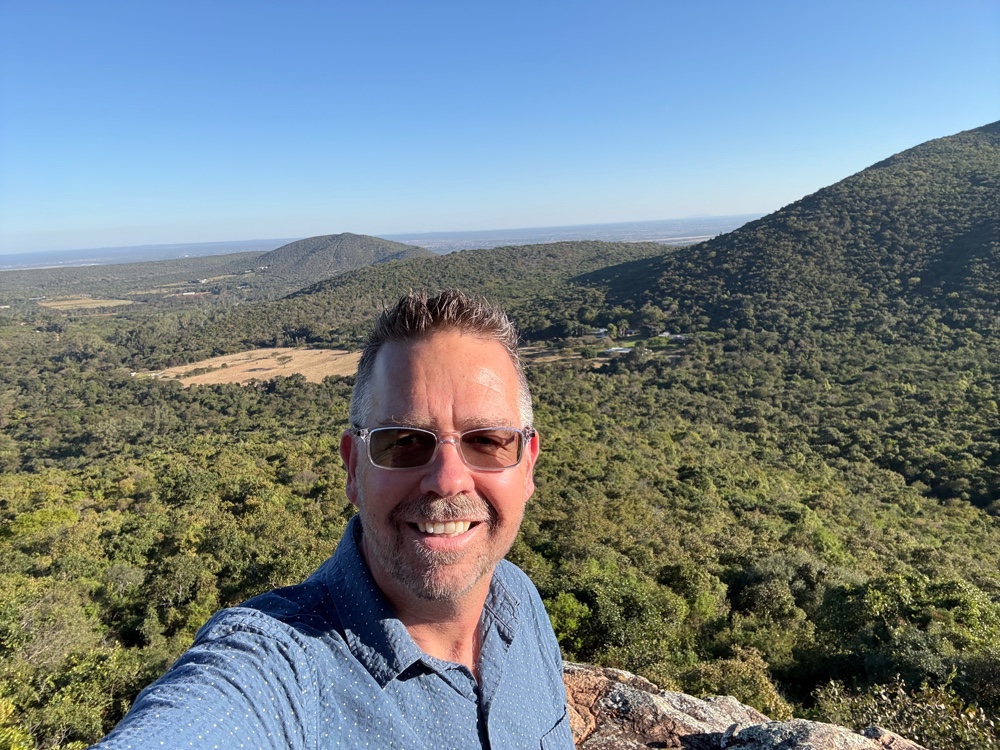
The three-and-a-half-hour journey may have offered the most beautiful scenery of the trip so far. After a stretch of flat scrubland, the road carried us into a mountainous region—the southern reaches of the Soutpansberg Mountains.
The views were far better than anything I could hope to capture with a camera. We passed through area of untouched wilderness as well as farmland.
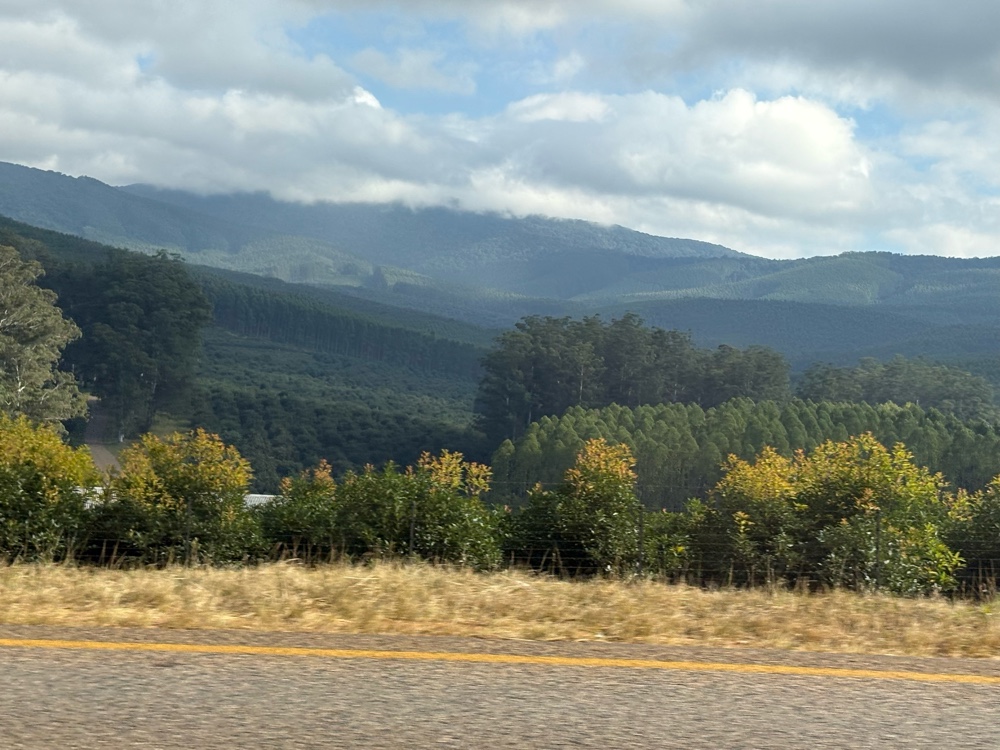
The mountains revealed themselves to be remarkably productive country. The Soutpansberg’s well-watered plateau catches some of the highest rainfall in South Africa, and that abundance shows in the patchwork of cultivation draped across the slopes and valleys. This is rich farming land—the nearby Levubu valley is famous for its subtropical bounty of litchis, avocados, bananas, macadamias, and pecans, while the higher, cooler ground gives way to vegetable plots, cattle, and stands of timber. Among the most striking sights were the plantations of eucalyptus, their tall, silver-trunked ranks marching in orderly rows across the hillsides. Though not native to Africa—they were brought from Australia—these fast-growing gums have long been planted here for timber, poles, and firewood, and their pale bark and aromatic leaves have become a familiar feature of the South African highlands.
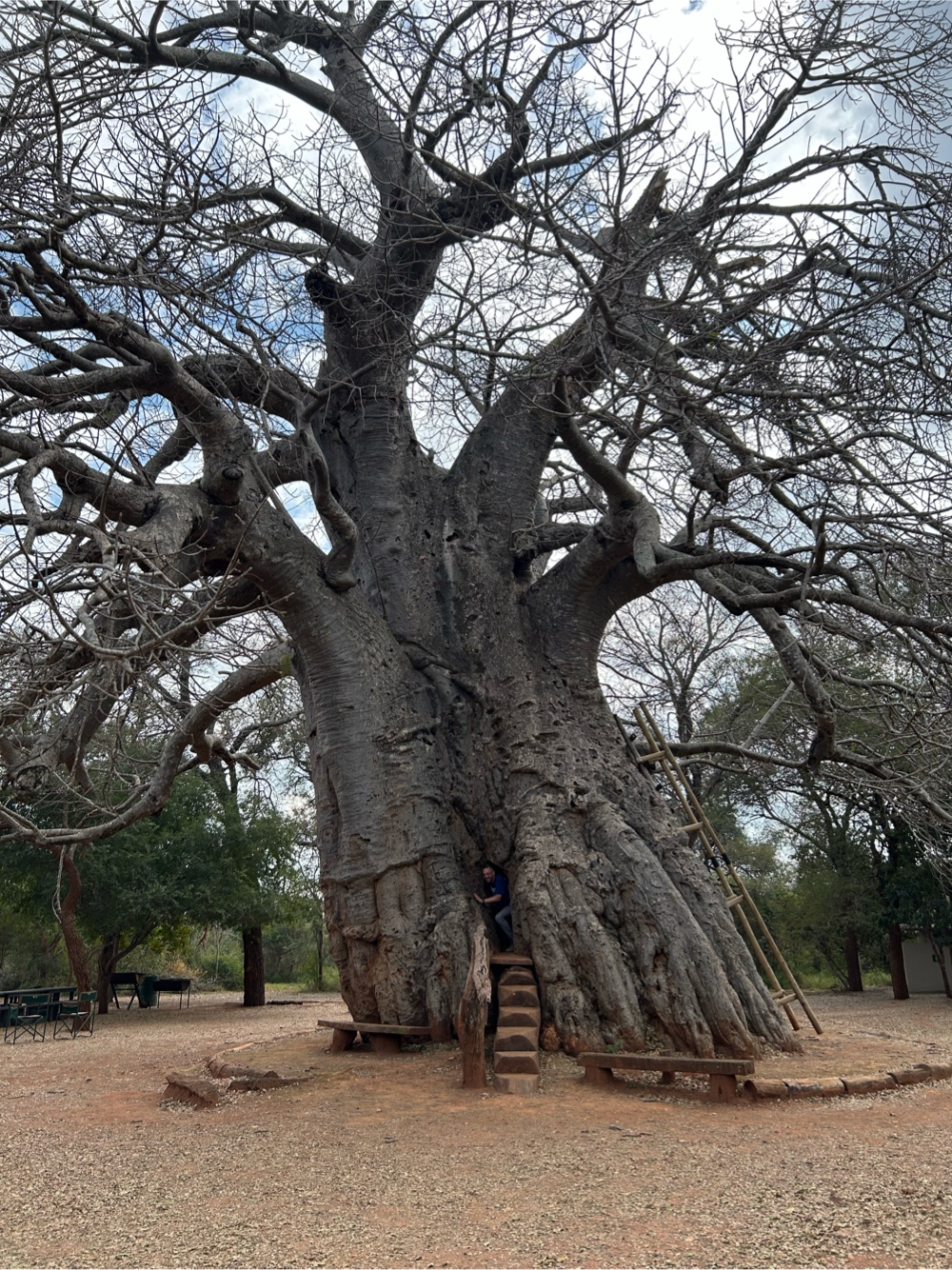
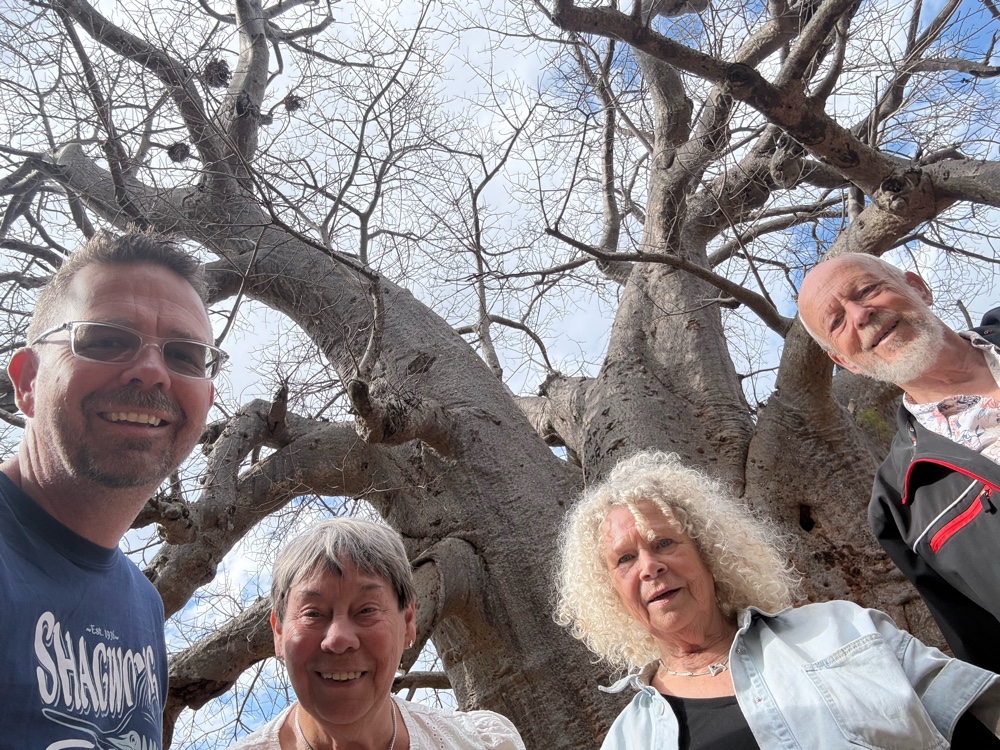
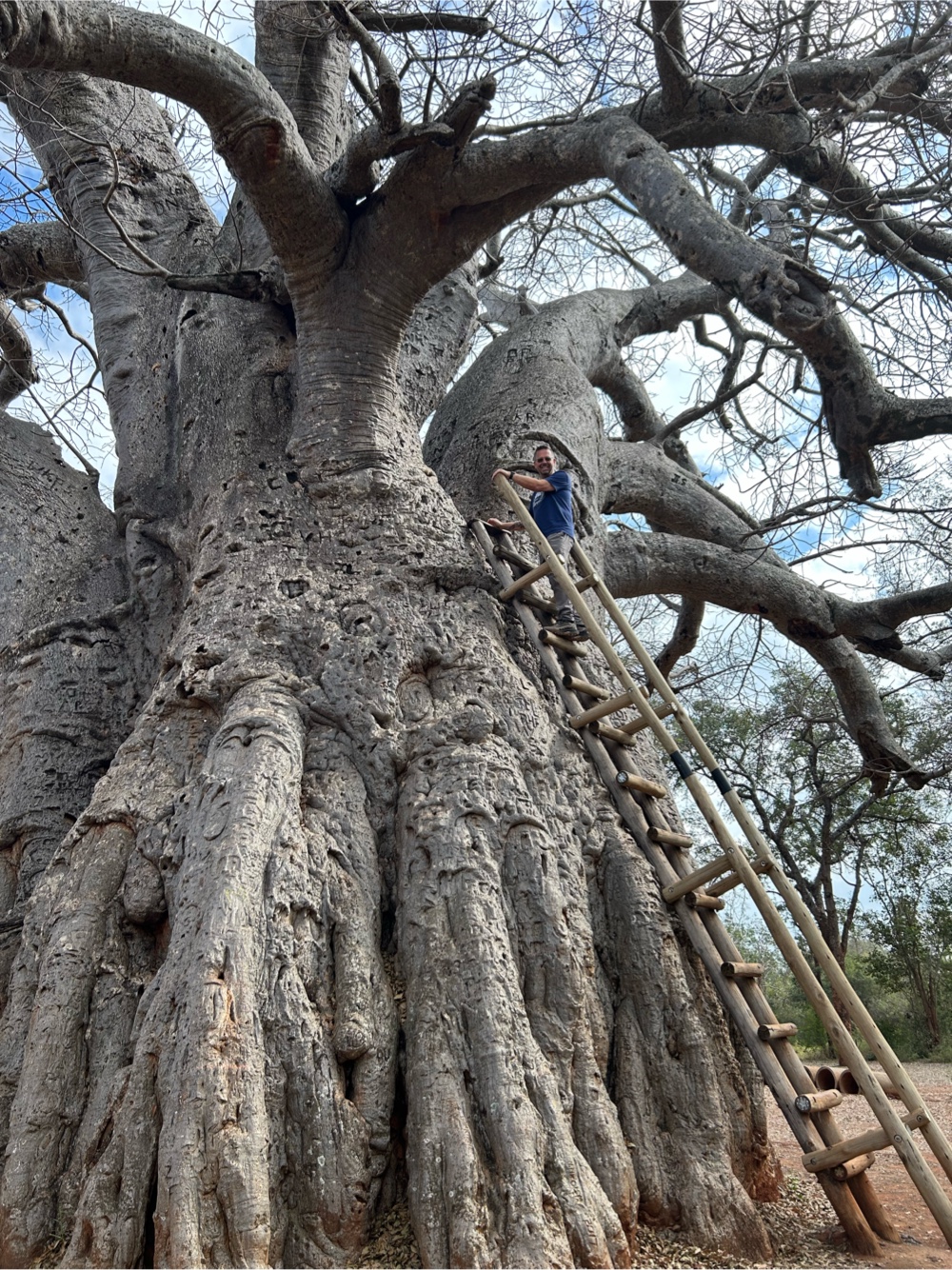
Along the way we stopped at the Leydsdorp Baobab, a roadside giant near the old gold-rush town of the same name. Said to be over two thousand years old, it stands more than twenty metres tall, its branches spreading like a great leafy tent nearly to the ground. We paid a small fee to the caretaker, climbed the ladder to where the branches begin, and stepped inside the hollow trunk. Its trunk is etched with generations of old graffiti, and local legend warns that anyone who picks a single one of its flowers will be eaten by a lion. It was a memorable place to stretch our legs and stand in the presence of something so ancient.
We arrived to Grietjie Private Nature Reserve just before 1:00pm. It sits in the northern section of the Balule Nature Reserve, about 30 km south of Phalaborwa in Limpopo, with roughly 6 km of frontage on the perennial Olifants River. It forms part of the Greater Kruger ecosystem and the UNESCO-proclaimed Kruger to Canyons Biosphere Reserve. Because the old fences between Balule and Kruger National Park have come down, wildlife moves freely across the whole region, making this a genuine Big Five area where elephant, lion, leopard, buffalo, and rhino all roam, alongside waterbuck, hippo, crocodile, and close to 280 species of birds.
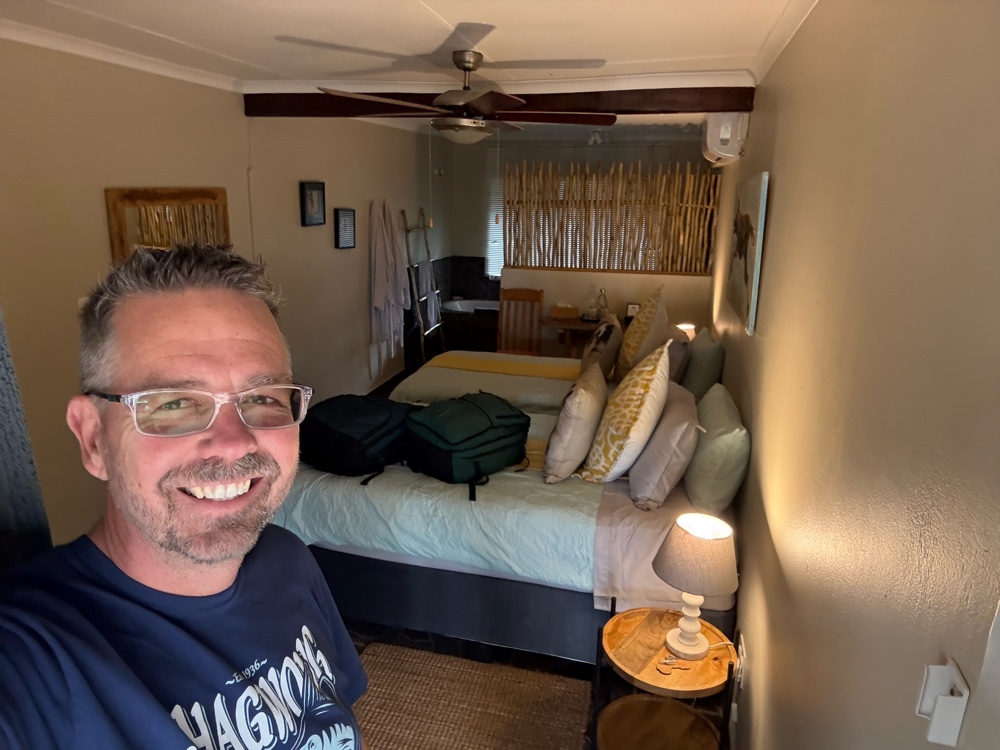
Ngalali Retreat, is a small family-owned lodge run by its South African-Italian owners, with a waterhole that draws elephants and warthogs and game and birdlife to be enjoyed right from the patio. We are the only guests for the next three nights.
On our first game drive we saw a few new small animals: a boom slang (the snake with the most potent venom in Africa), a pair of Pearl spotted owlets, several chameleons, and even a bushels gerbil.
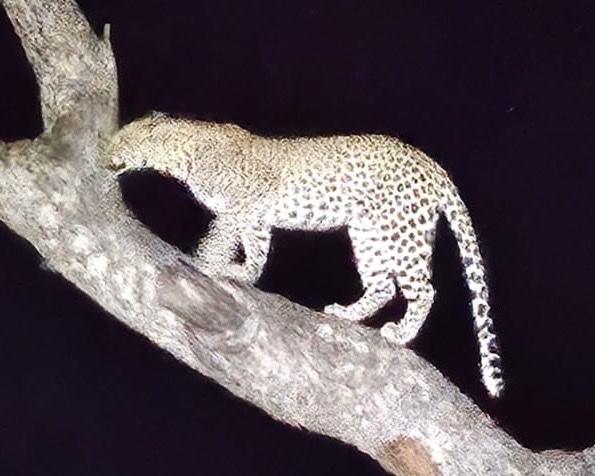
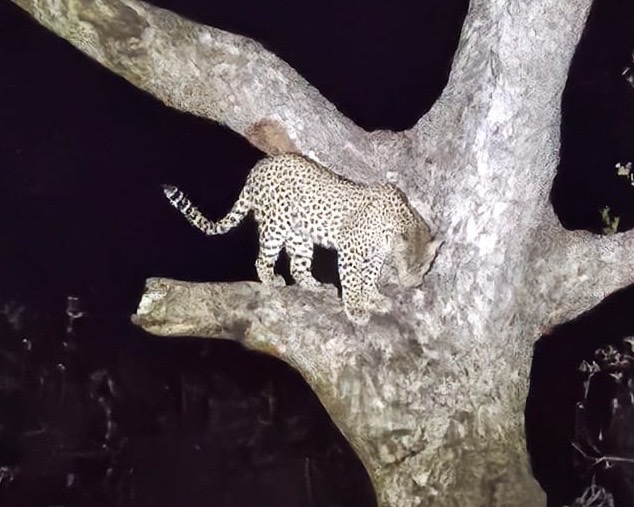
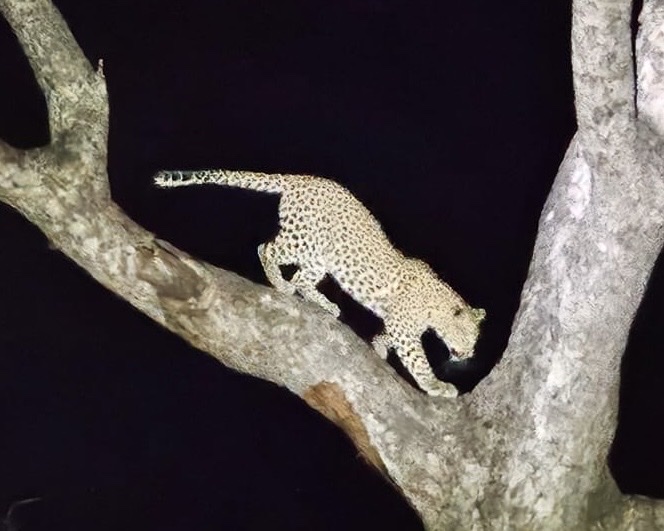
But … at the end of the drive we caught sure of the pièce de résistance, a leopard. They are quite elusive and I didn’t have my hopes up to see one. It was a picture perfect sighting.
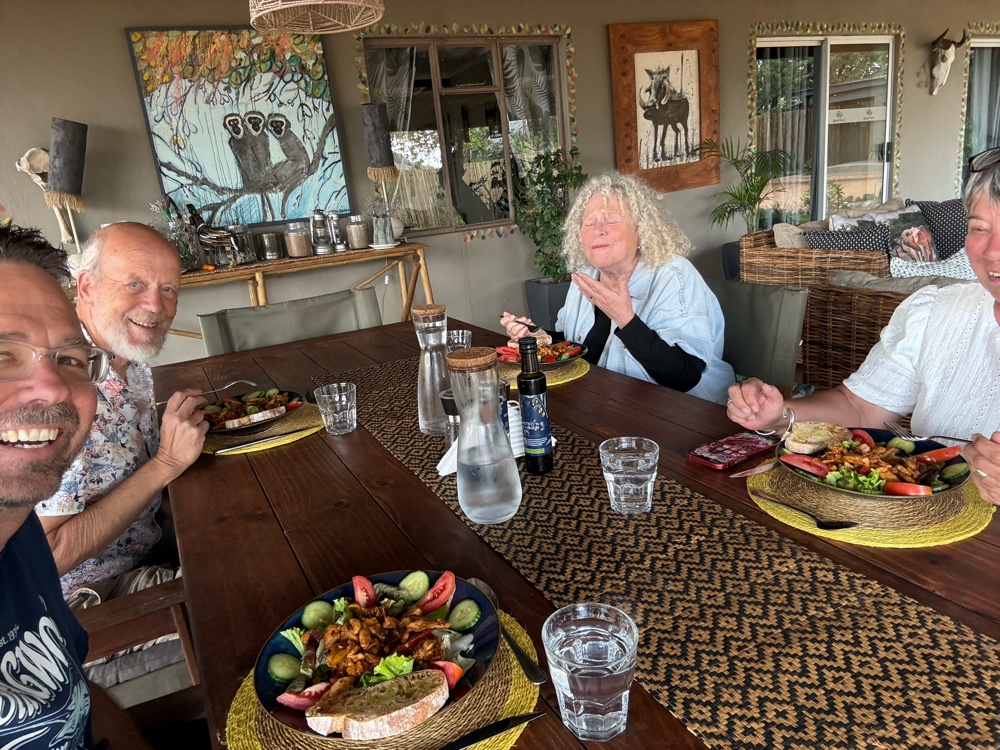
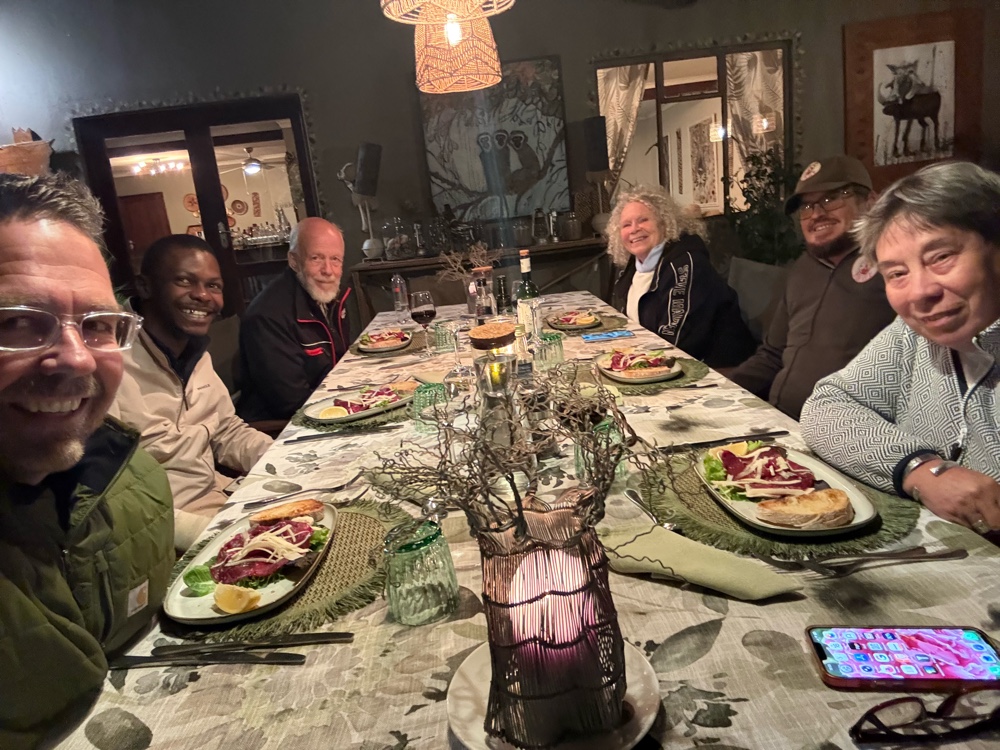
And then dinner. The owners of this lodge are Italian immigrants to South Africa. Our dinner was excellent: spring buck carpaccio, spinach ravioli, and fettuccini bolognese — tiramisu for desert.

Comments
Post a Comment