Glamafari
 |
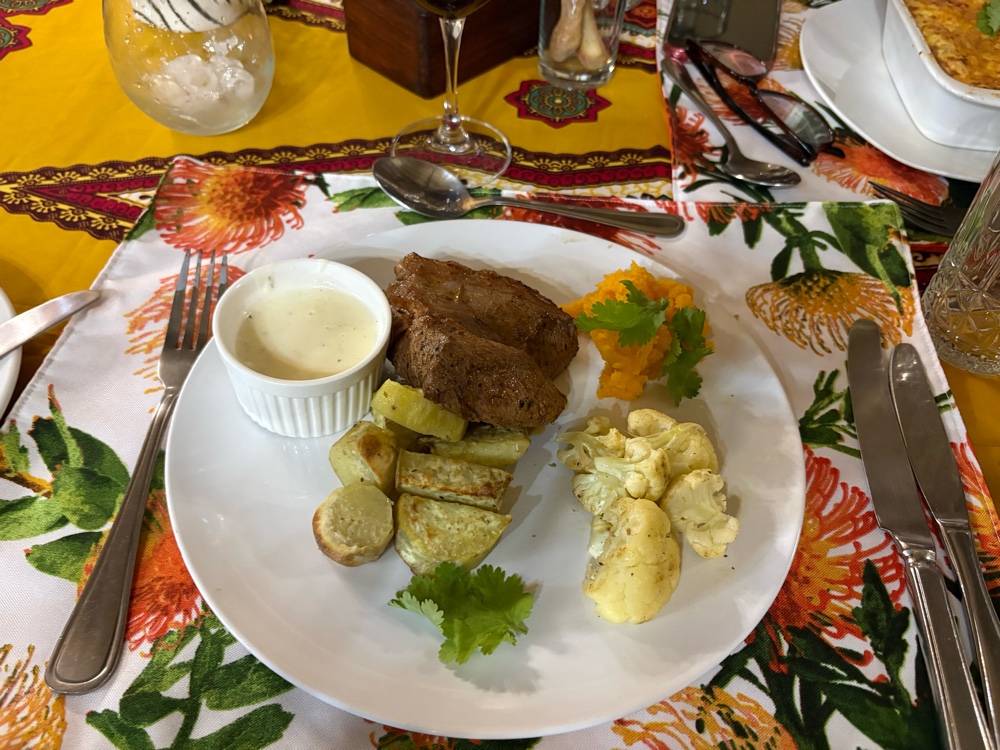
As you might have noticed, the food and accommodations at our first and second safari lodges have been quite nice. I didn’t really know what to expect, since I didn’t choose the locations myself—remember, I’m just following along with my travel friends. While the safari drives have been fantastic, the accommodations and food have been equally so. After driving around and getting a little dusty, it’s very nice to come back to a place where you can clean up and rest.
You might think this costs an exorbitant amount of money, but compared to a stay at a nice hotel and eating out in the United States, it’s actually quite comparable. And considering the safari drives are included, it’s really a fair deal. But yes, it definitely is a glamafari—and I’m not complaining.
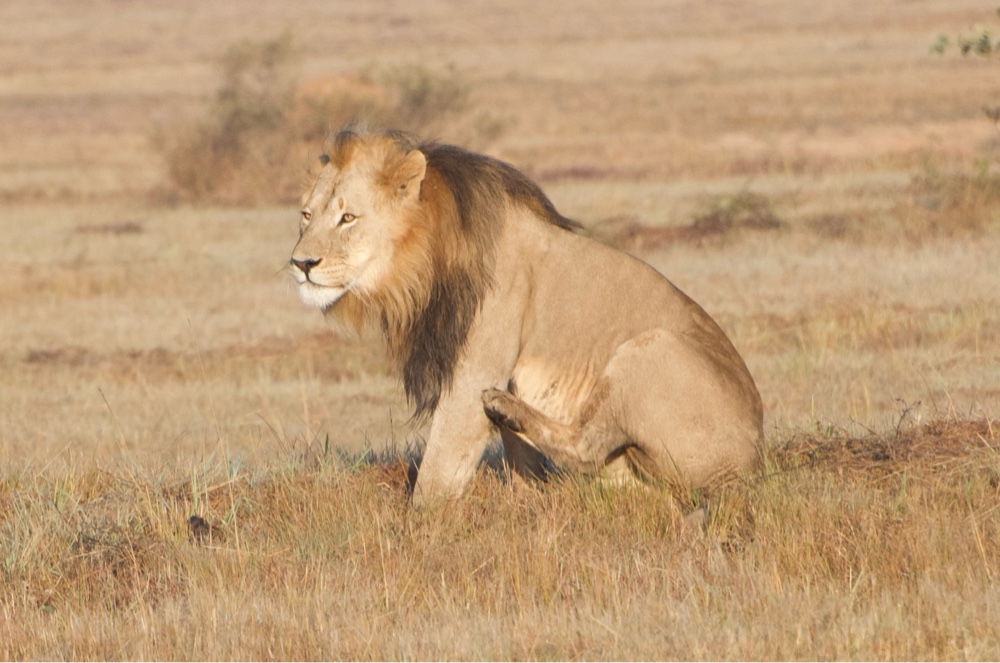
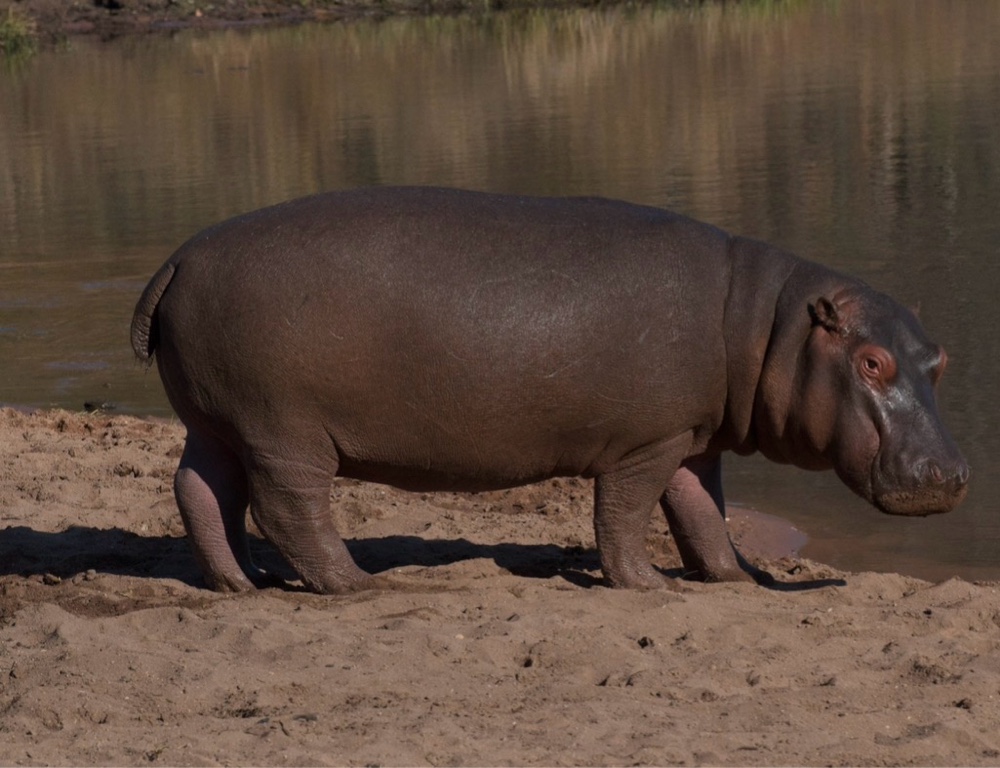
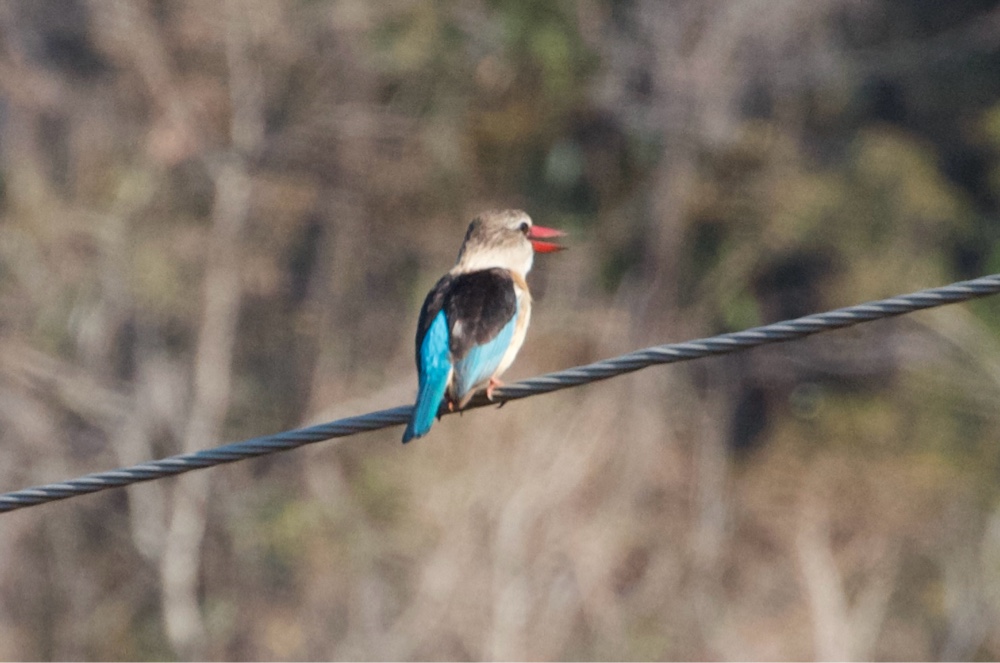
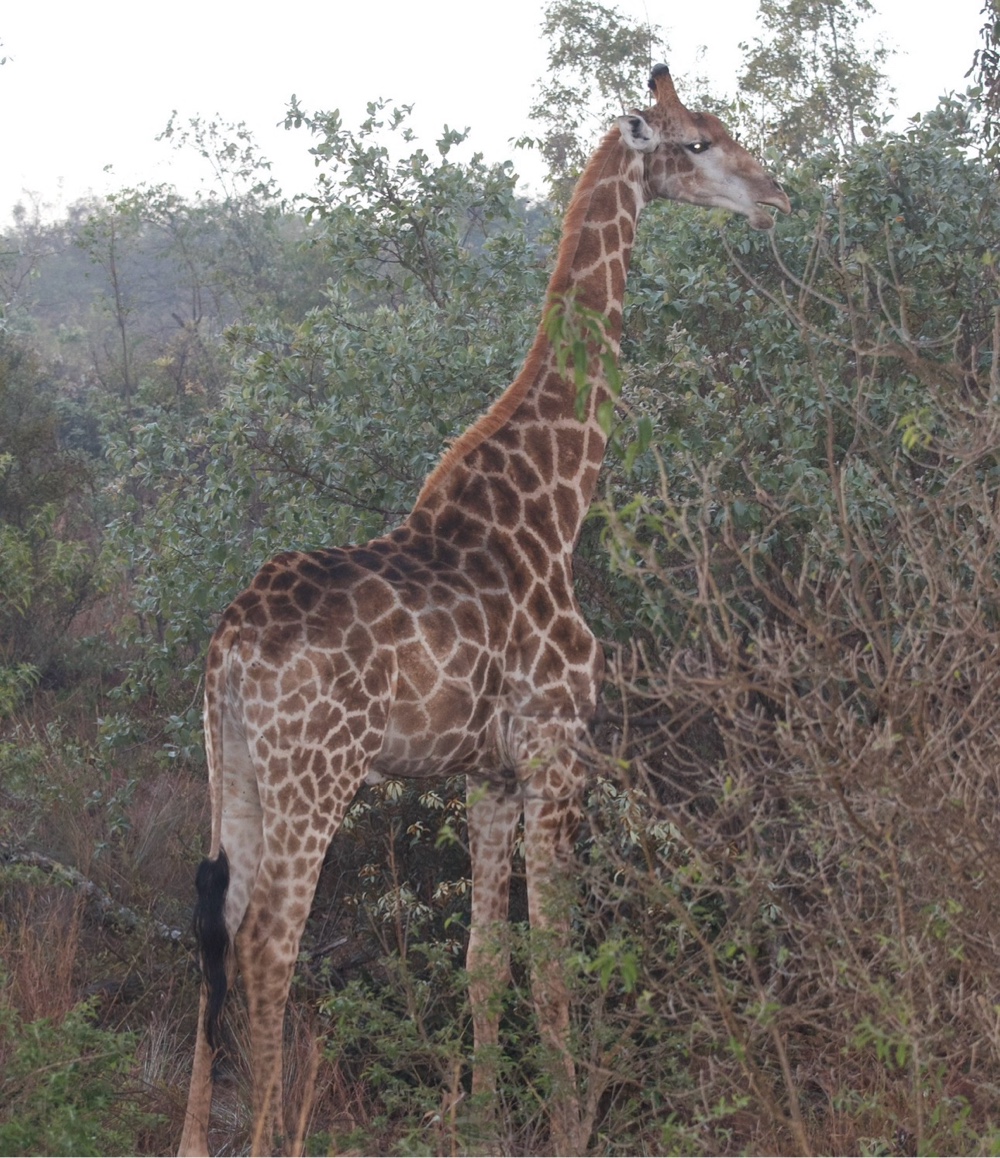
Today we added a few new sightings on the morning drive: we got a very close look at a male lion and a hippopotamus, as well as some birds. It really was a great morning.
The evening drive was sparse. Another group saw a leopard, but after we spent a good amount of time searching the area, we came up short.
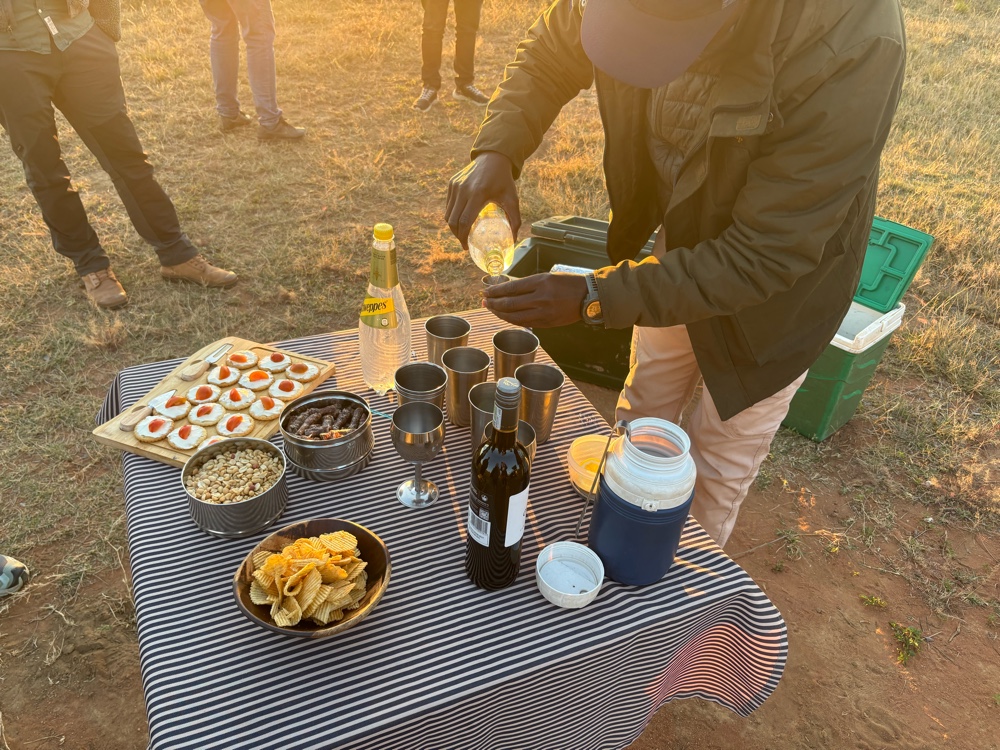
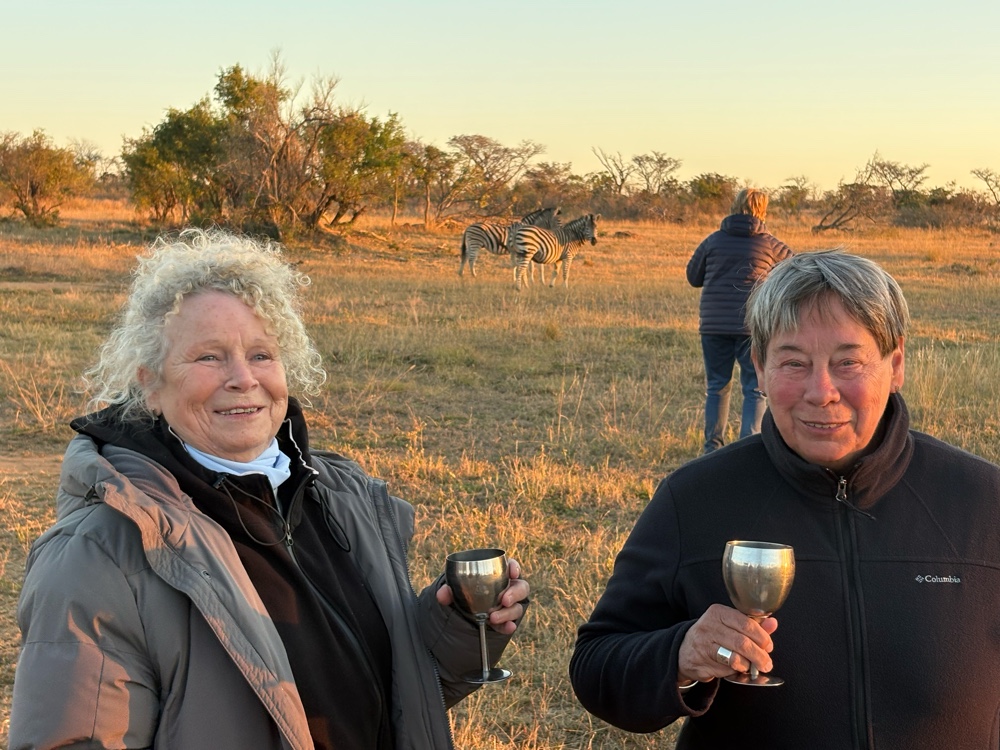
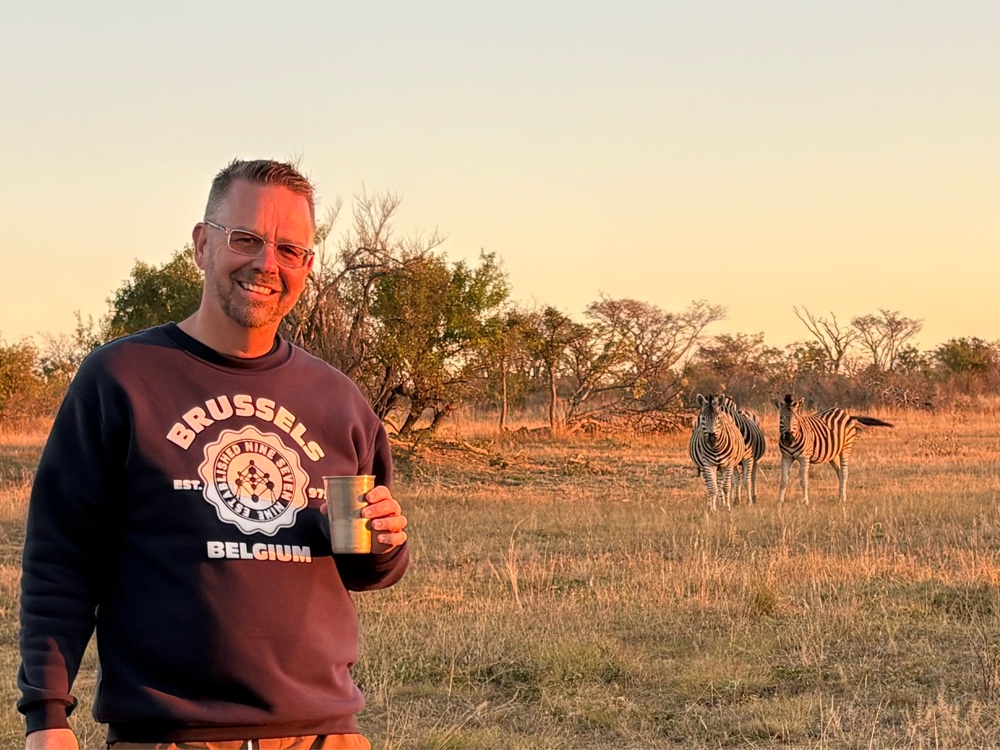
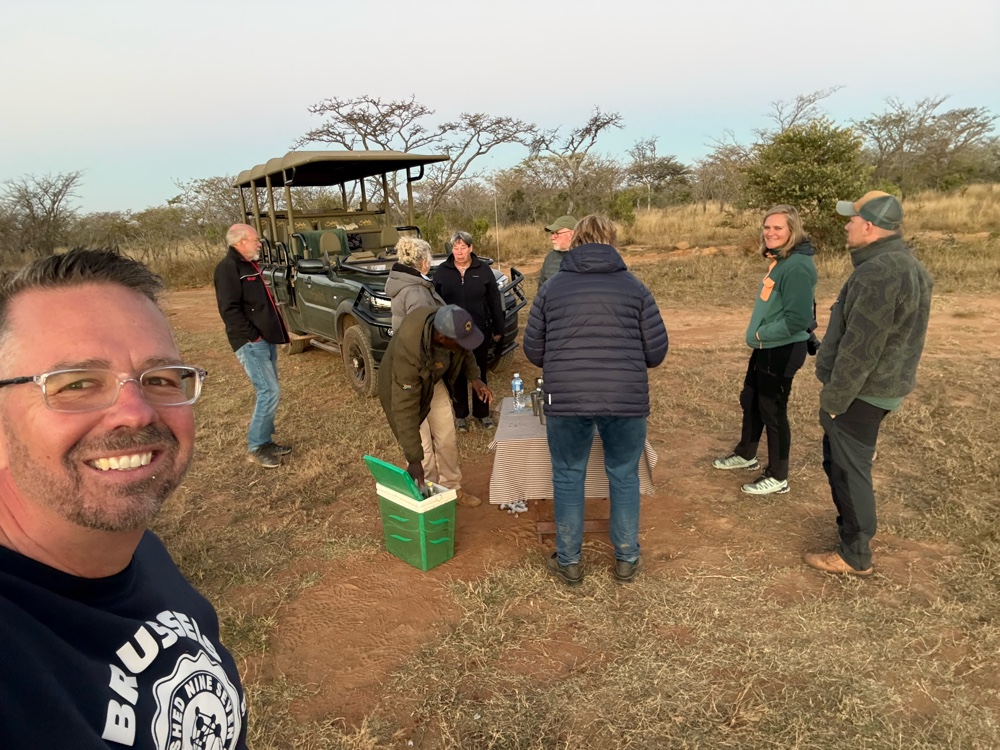
That is, until cocktail hour. The morning coffee break and the sunset cocktail are such a nice touch to the drives. It’s a little surreal to be standing out in a grassy space having a gin and tonic—or whatever your drink of choice—as zebra meander past.
 |
 |
 |
 |
 |
We leave Sekala Lodge tomorrow, but fear not: we have more adventures to come.
A few pics from this morning:
 |
 |
 |
 |
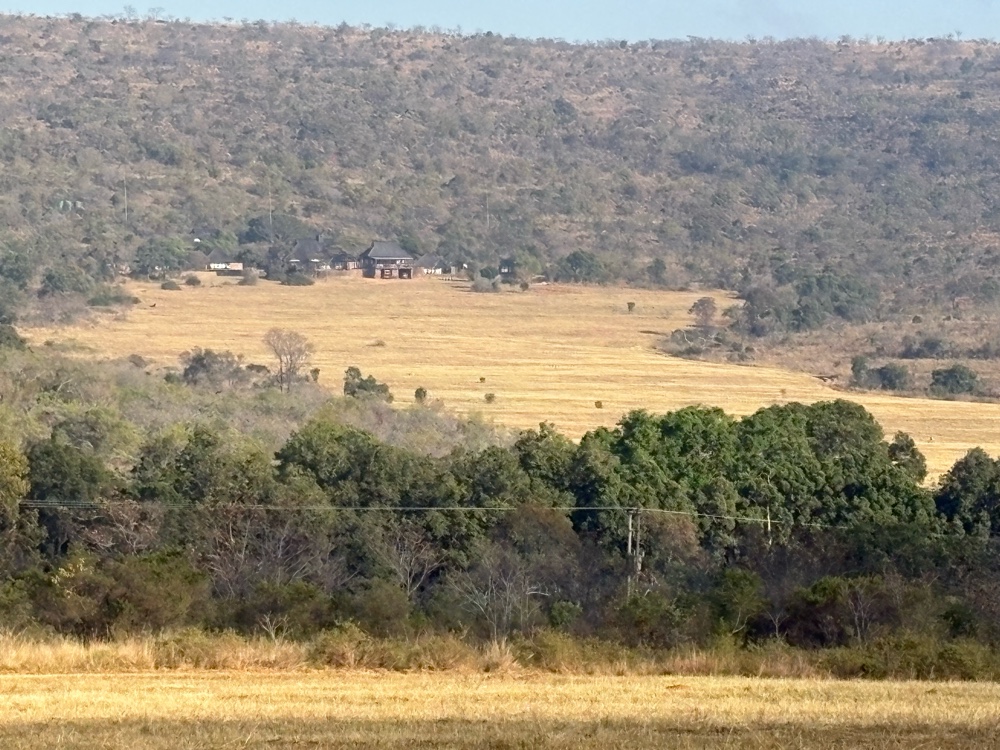 |
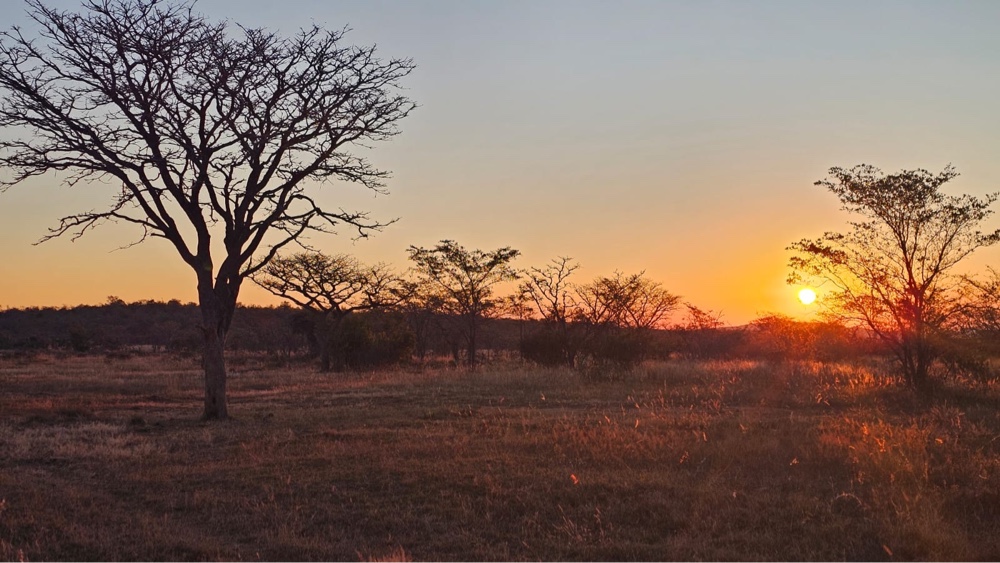
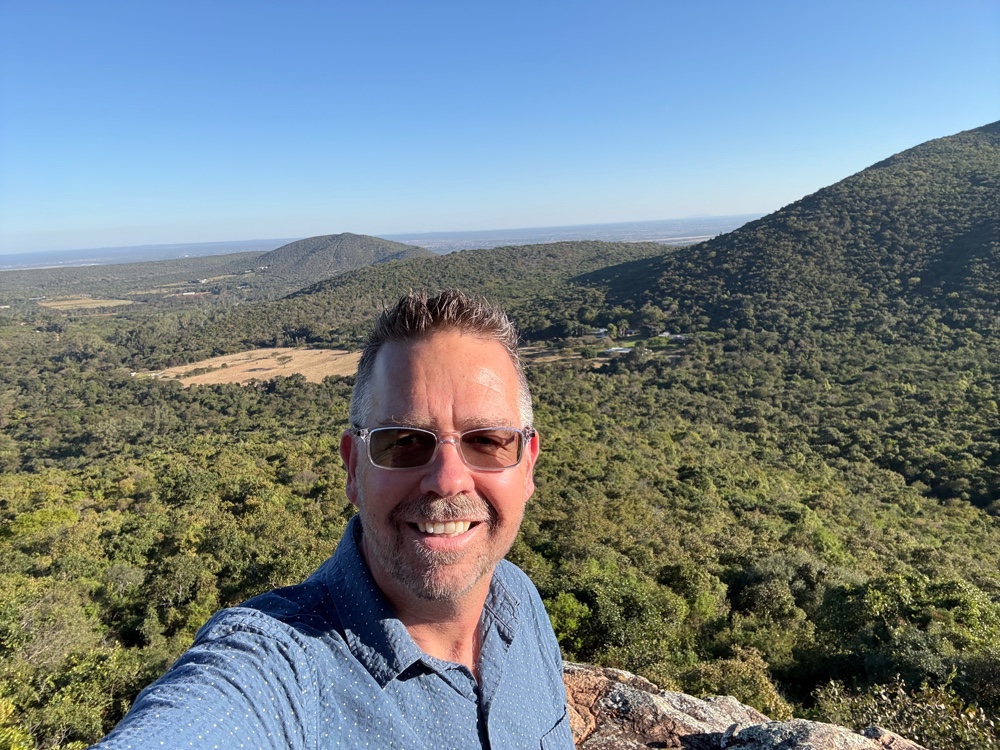
Tucked into the Waterberg plateau of Limpopo Province, Welgevonden sits within a landscape shaped by ancient sandstone, where rolling grasslands, wooded hills, and river-cut valleys create a remarkable patchwork of habitats. The rich and diverse Waterberg region offers more than 2,000 plant species, a botanical wealth that underpins everything else you see on a game drive—every grazer, browser, and predator ultimately depends on this green foundation.
The reserve’s character is classic bushveld savanna: rolling grasslands interspersed with semi-deciduous woodland, where trees such as the mountain syringa, the silver-leaf Terminalia sericea, and the lavender tree rise above the grass . Much of this canopy drops its leaves during the dry winter months, which is part of what makes mid-year safaris so rewarding—the thinning cover and bare branches make wildlife far easier to spot against the pale, dormant landscape.
Underfoot, the grasses do much of the quiet work of the ecosystem. Native species such as signal grass, goose grass, and heather-topped grass blanket the open plains and sustain the reserve’s grazers. These indigenous grasses support impala, kudu, klipspringer, and blue wildebeest, and their health is taken seriously here—the reserve conducts annual grass surveys to monitor species composition and biomass, while woody trees are assessed every five years to track the impact of fire, elephants, and browsers on the vegetation.
One tree worth lingering on is the fever tree, with its luminous yellow-green bark. It favors the region’s cliff habitats, and local Bushman lore held that it carried a special power to allow communication with the dead—a small piece of cultural magic woven into the landscape. The rocky escarpments and streams threading through the reserve nurture their own specialized plant communities, and it’s this very diversity of terrain—grassy plains, wooded slopes, and watercourses—that earned the wider Waterberg its UNESCO Biosphere Reserve status in 2001.


Comments
Post a Comment